Sweet vs Dry Sparkling Wines: From Almond Champagne to Brut
Sep 14, 2026
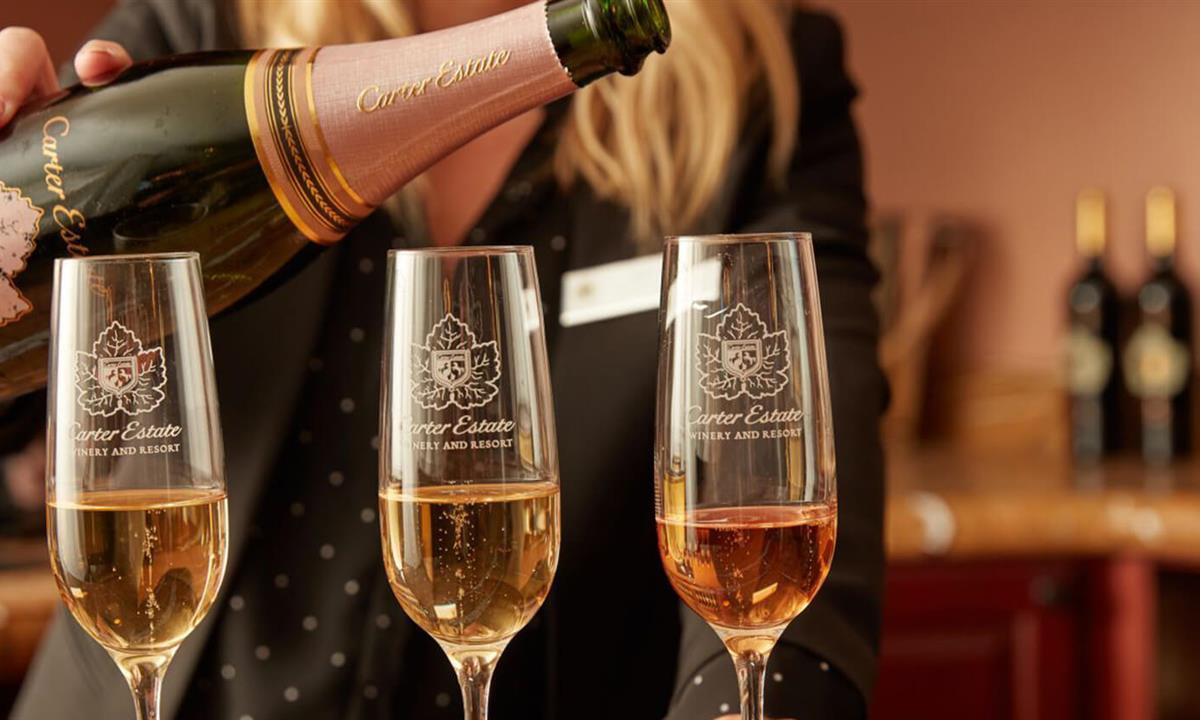
The main difference between sweet and dry sparkling wines is the amount of sugar in the finished wine, known as residual sugar. Brut is a dry style, while Demi-Sec and Doux contain more sugar and taste sweeter. Label terms offer a useful starting point when choosing a bottle (Comité Champagne).
Whether you enjoy almond-flavored sparkling wine or a crisp Brut, the right choice starts with your palate. This guide compares sweetness labels, flavors, production methods, and food pairings to help you choose for a celebration, a gift, or dinner at home.
Key Takeaways
-
Extra Dry is sweeter than Brut. Brut contains less than 12 grams of sugar per liter, compared with 12–17 for Extra Dry and 32–50 for Demi-Sec (Comité Champagne).
-
Production method does not determine sweetness. Both bottle-fermented and tank-fermented sparkling wines can be dry or sweet. Check the sweetness designation rather than judging by the method alone (Comité Champagne; Consorzio Prosecco DOC).
-
Carter Estate offers a dry example. Its 2016 Cuvée Prestige contains 6 grams of residual sugar per liter and undergoes its second fermentation in the bottle, followed by years of aging on yeast sediment to develop brioche and nutty notes (Carter Estate).
What Makes Sparkling Wine Sweet or Dry?
Sugar content determines a sparkling wine’s sweetness category, while its balance with acidity influences how sweet it tastes. The label helps you compare styles, but the number alone does not describe the whole drinking experience (Comité Champagne).
Sparkling wine sweetness labels explained
These standard categories, used for Champagne and many other sparkling wines, describe sugar in grams per liter (g/L):
| Label Term | Sugar Content |
|---|---|
| Brut Nature | Less than 3 g/L, with no sugar added after the second fermentation |
| Extra Brut | 0–6 g/L |
| Brut | Less than 12 g/L |
| Extra Dry | 12–17 g/L |
| Sec, also called Dry | 17–32 g/L |
| Demi-Sec | 32–50 g/L |
| Doux | More than 50 g/L |
Despite their names, Extra Dry and Sec are sweeter categories than Brut (Comité Champagne).
In traditional-method sparkling wine, dosage is the finishing addition of wine, usually mixed with sugar, after the yeast sediment is removed. It helps the winemaker adjust sweetness and balance before corking. Brut Nature receives no added sugar at this stage, but it can still contain a small amount of residual sugar (Comité Champagne).
How Do Sweet and Dry Sparkling Wines Taste?
Dry sparkling wines generally taste less sweet, with acidity giving them a crisp impression. Sweeter styles tend to feel rounder, but can still finish fresh. The balance matters more than sweetness alone (Comité Champagne).
Fruitiness and sweetness are different qualities. Apple or citrus flavors do not necessarily mean a wine contains much sugar, just as a creamy texture does not automatically make it sweet. Carter Estate’s Cuvée Prestige, for example, combines a dry profile with brioche, nutty notes, and creaminess (Carter Estate).
Almond champagne vs Brut: what to expect
“Almond champagne” describes a flavored sparkling-wine product, while Brut identifies a sweetness category. They tell you different things about the bottle.
Wilson Creek Almond Champagne offers a useful flavor reference: its winemaker’s notes describe added almond flavor, aromas reminiscent of marzipan, a sweet almond confection, and a hint of caramelized sugar, followed by a refreshing finish (Spec’s).
If you enjoy almond pastries, that aromatic style may appeal to you. If you prefer less sweetness, start with a Brut and use its tasting notes to choose between fresh fruit flavors and richer, toasted characteristics.
What Are the Methods for Making Sweet vs Dry Sparkling Wines?
Both traditional and tank methods can produce dry or sweet sparkling wines. The main difference is where the second fermentation happens: yeast converts sugar into alcohol and releases carbon dioxide, which becomes trapped to create the bubbles.
-
Traditional method: Also called méthode traditionnelle, this involves a second fermentation inside the bottle. The wine then rests on lees, the spent yeast sediment, which can develop bread-like aromas and a richer texture. Carter Estate uses this method for its sparkling wines (Carter Estate).
-
Tank method: Also called Charmat or Martinotti, this involves a second fermentation in a sealed, pressurized tank. Prosecco is a familiar example. Winemakers control fermentation to achieve the desired sugar content, including dry styles (Consorzio Prosecco DOC).
For traditional-method wines, dosage helps adjust the final sweetness after the sediment is removed. In tank production, controlling how much sugar ferments is another way to shape sweetness. Neither method makes a wine inherently sweeter or better; each gives winemakers different ways to develop flavor and balance (Comité Champagne; Consorzio Prosecco DOC).
Which Foods Pair Best with Sweet or Dry Sparkling Wines?
Dry sparkling wines are a useful starting point for savory dishes, while sweeter styles can complement desserts and spicy foods. Choose around the dish’s sweetness, seasoning, and richness rather than how formal the occasion feels (Comité Champagne).
-
Seafood: Try Brut or Extra Brut with oysters, simply prepared fish, or shellfish.
-
Spicy dishes: Consider Extra Dry when you want a little sweetness alongside chili heat.
-
Desserts: Look toward Sec, Demi-Sec, or Doux. A very dry wine can taste bitter beside a sweet dessert, so match the bottle to the dessert’s sweetness (Comité Champagne).
-
Almond-flavored sparkling wine: Try cheesecake, fruit tarts, Brie, or brunch dishes such as crêpes. These appear among the pairing suggestions accompanying Wilson Creek’s winemaker notes (Spec’s).
For a celebration with both savory appetizers and cake, consider offering a dry bottle with the first course and a sweeter option with dessert. Either style can suit a wedding, picnic, or dinner party when it fits the food and your guests’ preferences.
What Should You Consider When Choosing Between Sweet and Dry Sparkling Wines?
Start with what you or your recipient already enjoy, then consider the food and your budget. Sweetness is a preference, not a measure of quality.
Before buying, ask:
-
What flavors do you enjoy? Look beyond “sweet” or “dry” to tasting notes such as citrus, toasted bread, or almond.
-
Is it a gift? A favorite bottle or familiar flavor offers a better clue than whether the recipient considers themselves a wine enthusiast.
-
Are you serving mixed preferences? Offer one dry and one sweeter option, clearly labeled so guests can choose.
-
Is the label unclear? Ask the tasting-room team or retailer about sweetness, added flavoring, and how the wine tastes.
For a closer look at traditional-method sparkling wine, Carter Estate’s Cuvée Prestige offers an example shaped by extended aging on yeast sediment. Its winemaking notes describe six years of aging to develop aromas and flavors, giving you something specific to explore when tasting (Carter Estate).
FAQs About Sweet and Dry Sparkling Wines
Is almond champagne considered a sweet or dry sparkling wine?
Almond champagne is generally associated with a sweet, almond-flavored style, but the name does not specify a sugar range. Wilson Creek’s version has marzipan-like aromas and a hint of caramelized sugar. Check the individual bottle’s description for its sweetness level (Spec’s).
Can sweet sparkling wines be aged like Brut?
Some can, but sweetness alone does not tell you whether a bottle will benefit from aging. Champagne, including sweeter styles, is ready to enjoy when purchased and can be stored longer under suitable conditions. Aging on yeast sediment before release is different from keeping a finished bottle at home. For a particular sweet or flavored sparkling wine, ask the producer for its recommended drinking window (Comité Champagne).
How can you tell if a sparkling wine is sweet or dry from the label?
Look for Brut Nature, Extra Brut, or Brut for dry styles. Extra Dry is sweeter than Brut, followed by Sec, Demi-Sec, and Doux in increasing sweetness. If a flavored sparkling wine does not use these terms, consult its product description or ask the retailer (Comité Champagne).
Find Your Sparkling Wine Style at Carter Estate
A tasting gives you room to explore beyond the label. Notice which aromas draw you in, how the wine feels, and whether you enjoy the finish on its own or with food. To discover Carter Estate’s traditional-method sparkling wines, join us for a tasting in Temecula and let your preferences guide you toward a new favorite (Carter Estate Wine Tasting).
Latest Articles
Resort Information, Dining, Activities
Sweet vs Dry Sparkling Wines: From Almond Champagne to Brut
The main difference between sweet and dry sparkling wines is the amount of sugar in the finished wine, known as residual sugar.

Resort Information, Activities
San Diego to Temecula: Ultimate Wine Country Weekend Guide
For a rewarding San Diego to Temecula getaway, build your plans around a few reserved tastings, a leisurely lunch and time to enjoy the scenery.
Resort Information, Activities
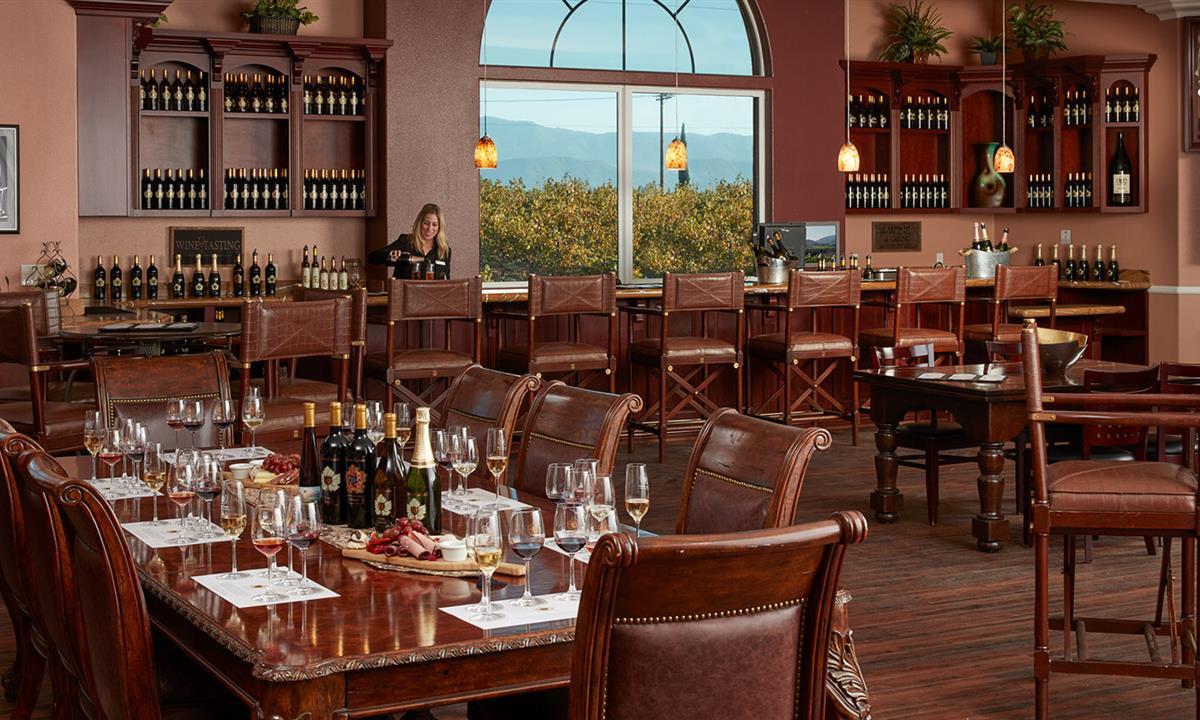
How to Plan a Corporate Retreat in 2026: A Wine Country Guide
A successful corporate retreat starts with a defined business purpose, an attendee-centered plan and an agenda that protects both focused work and intentional connection.
Resort Information, Weddings
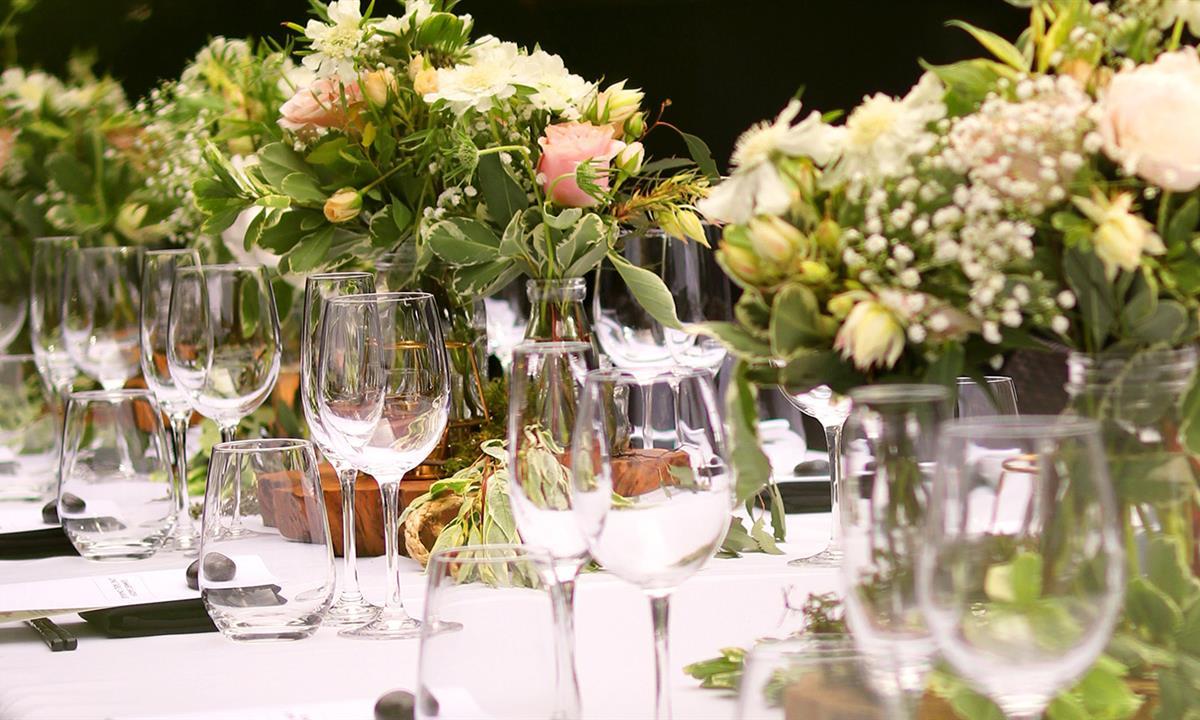
Best Wedding Stays for a Carter Estate Winery & Resort Wedding in 2026
The best arrangement may combine Carter Estate’s private bungalows with a nearby resort, a familiar hotel, an extended-stay suite or a permitted vacation rental. The right mix depends on your guest list, budget, accessibility needs and transportation plan.
Resort Information, Activities
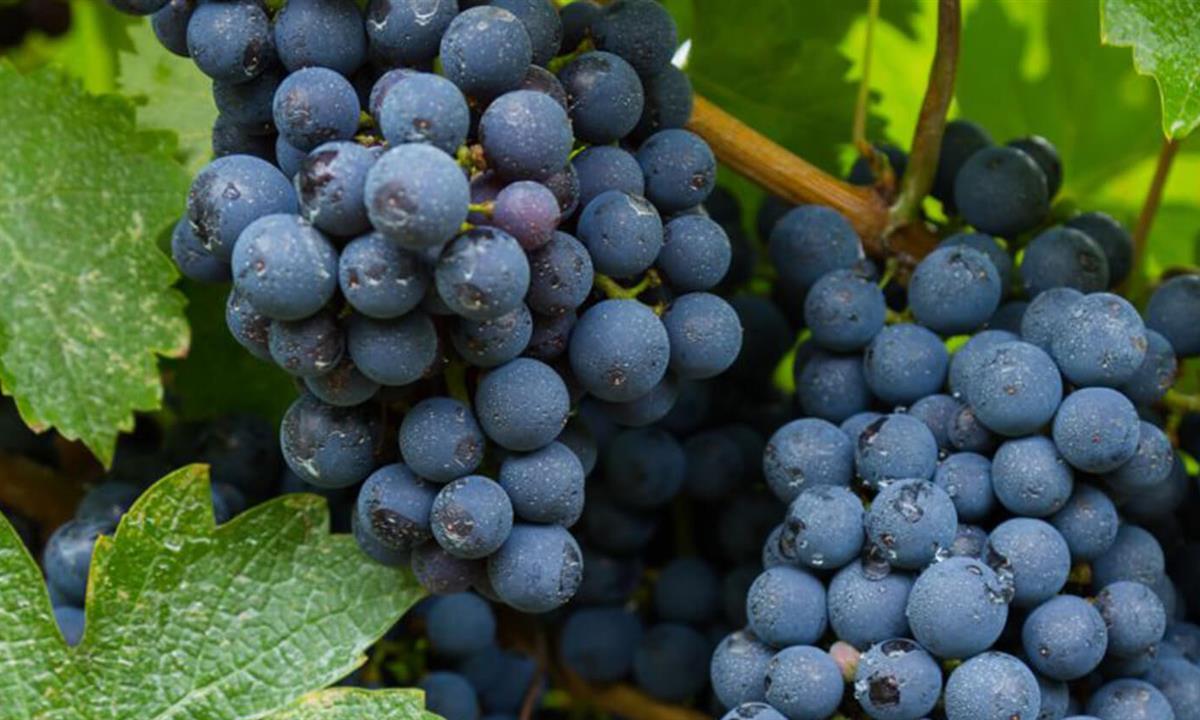
European-Style Wineries in Temecula
Which Temecula wineries feel most like Italy? Vienza at Europa Village, Bottaia Winery, Robert Renzoni Vineyards, and Carter Estate Winery and Resort are four of the clearest places to start.
Resort Information, Activities
Where to Stay in Temecula Wine Country: 2026 Hotels & Resorts Guide
The right place to stay in Temecula Wine Country depends on how you want to spend your time. An on-site winery hotel puts vineyard scenery and its own tasting experiences close at hand.