How to Plan a Corporate Retreat in 2026: A Wine Country Guide
Sep 9, 2026
A successful corporate retreat starts with a defined business purpose, an attendee-centered plan and an agenda that protects both focused work and intentional connection. Before comparing venues or choosing activities, planners should establish two to four measurable outcomes, identify attendee needs and set a realistic budget range.
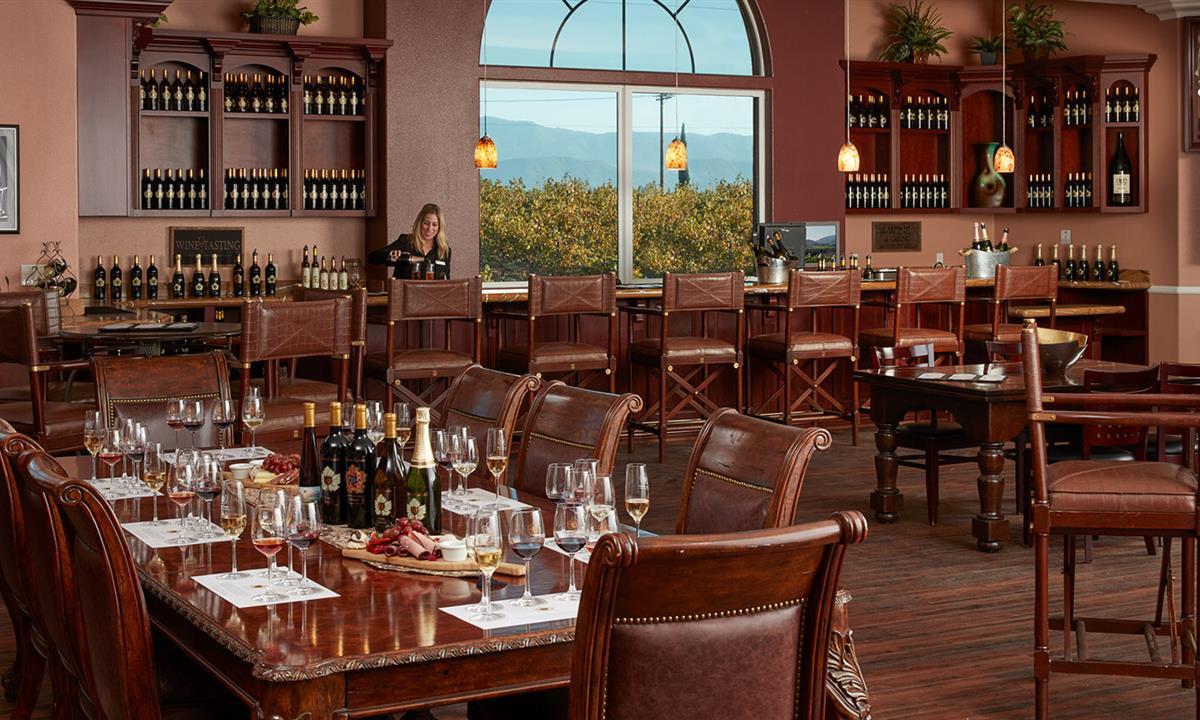
This guide walks through the essential decisions for planning a corporate retreat in 2026, from venue selection and agenda design to dining, accessibility, transportation and booking. It also explains how an integrated wine country setting can simplify a multi-day program. Carter Estate Winery and Resort combines 60 private bungalows with vineyard surroundings and 7,000 square feet of listed private meeting space (Carter Estate Accommodations; Cvent Venue Profile).
Key Takeaways
-
Define the retreat’s purpose, attendees, budget range and two to four measurable outcomes before selecting a venue or activities.
-
Compare venues on total program fit, including meeting space, lodging, dining, technology, accessibility, transportation and weather alternatives.
-
Alternate focused sessions with breaks, shared meals and informal connection time rather than filling every hour.
-
Account for accessibility, dietary needs, activity intensity and different participation preferences when designing the program.
-
Confirm current pricing, promotional terms, availability and cancellation requirements in a written proposal before committing.
What Is a Corporate Retreat?
A corporate retreat is a planned off-site gathering that gives a team protected time to pursue defined business objectives while strengthening relationships and shared context. Retreats may support strategic planning, leadership alignment, cultural development, employee recognition or collaboration, but each part of the program should connect to an intended outcome.
A retreat is broader than a conventional off-site meeting, which is typically shorter and centered primarily on work sessions. Conferences emphasize presentations and networking, incentive trips reward performance, and team-building events revolve mainly around shared activities. A corporate retreat may combine elements of all four within one coordinated agenda.
Carter Estate Winery and Resort welcomes corporate retreats, leadership gatherings, incentive trips and team-building programs in Temecula wine country. Its bungalow accommodations and private event space allow planners to consider meetings and overnight stays within one vineyard setting, subject to the group’s size and requested configuration (Carter Estate Gatherings; Cvent Venue Profile).
Why Plan a Corporate Retreat in 2026?
Corporate retreats remain relevant in 2026 because many teams still work across different locations. Gallup reported in September 2025 that 51% of remote-capable U.S. employees followed a hybrid schedule and that national work-location patterns had remained broadly stable since 2022 (Gallup). For distributed teams, intentional time together can create space for decisions, conversations and relationship building that may be difficult to sustain across competing calendars and screens.
A change of setting alone does not guarantee stronger performance. The value comes from giving the retreat a clear purpose and connecting its meetings, meals and shared experiences to that purpose. Wine country can provide welcome separation from the normal workday, but the agenda should still lead toward concrete results.
Useful retreat outcomes may include:
-
A completed strategic or quarterly plan
-
Clearly assigned priorities, owners and deadlines
-
Stronger working relationships across departments
-
Shared expectations for hybrid collaboration
-
Recognition of team or individual contributions
-
Time to examine a complex challenge from a fresh perspective
Start With Retreat Goals and Attendee Needs
Begin with a one-sentence purpose for the retreat, then identify two to four outcomes the group should achieve. These outcomes should be specific enough to review afterward, such as approving a strategic roadmap, assigning owners to three priorities or establishing new expectations for cross-functional work.
Retreat planning worksheet
-
Primary objective
-
Two to four desired outcomes
-
Expected attendance
-
Decision makers and approvers
-
Facilitator or meeting leader
-
Preferred dates and flexibility
-
Program length
-
Working budget range
-
Lodging and meeting requirements
-
Technology and connectivity needs
-
Dietary and accessibility requirements
-
Preferred activity type and intensity
Shape the program around the people attending. A leadership retreat may require privacy and extended decision-making sessions, while a sales kickoff may need presentation technology, practice time and a more energetic group format. Department off-sites, onboarding retreats and recognition events will each call for a different balance of work, connection and celebration.
Collect dietary restrictions, mobility and accessibility requirements, sensory considerations and essential work needs during registration. The Events Industry Council recommends identifying potential barriers early and providing multiple ways to participate, including varied session formats and quiet spaces (Events Industry Council).
Choose the Right Corporate Retreat Venue
Choose a retreat venue only after defining the program’s goals, attendance and budget. The strongest fit is not simply the most scenic property; it is the one that can support the full agenda with suitable meeting space, lodging, dining, technology and accessible participation.
An integrated venue may reduce transfers and simplify communication, but planners should confirm which program elements are truly available on-site. Ask for a written proposal that distinguishes included services from upgrades, third-party arrangements and experiences hosted at a neighboring property.
Venue evaluation checklist
-
Meeting space: Capacity, seating formats, breakout rooms, privacy and natural light
-
Technology: Internet capacity, screens, microphones, power access and technical support
-
Lodging: Room types, occupancy, room-block terms and proximity to meeting areas
-
Food and beverage: Meal formats, service timing, dietary accommodations and beverage service
-
Accessibility: Step-free routes, accessible rooms and seating, rest areas and flexible participation
-
Outdoor programming: Shade, lighting, seasonal conditions and indoor weather alternatives
-
Transportation: Airport travel, parking, local transfers and shuttle availability
-
Operations: Setup, breakdown, staffing, concurrent events, quiet hours and vendor requirements
For Temecula retreats, the destination’s official tourism organization lists group transportation providers serving San Diego, Los Angeles, Ontario and Orange County airports, along with local transfers for off-site programs (Visit Temecula Valley).
How Carter Estate aligns with planner needs
| Planning Need | Questions to Ask | Carter Estate Reference Point |
|---|---|---|
| Private meeting capacity | How much private space is available, and which layouts fit the group? | Cvent lists 7,000 square feet of private meeting space across three meeting rooms, with a listed standing capacity of 150. Final capacity depends on the selected room and setup (Cvent Venue Profile). |
| Overnight accommodations | How many rooms can be held, and which room types meet accessibility and occupancy needs? | Carter Estate has 60 private bungalows. Published room types range from 533 to 610 square feet, and connecting and accessible rooms are available subject to room type and availability (Carter Estate Accommodations; Carter Estate Bungalows). |
| Group experiences | How many rooms can be held, and which room types meet accessibility and occupancy needs? | Carter Estate has 60 private bungalows. Published room types range from 533 to 610 square feet, and connecting and accessible rooms are available subject to room type and availability (Carter Estate Accommodations; Carter Estate Bungalows). |
| Planning support | Who coordinates lodging, meeting requirements, activities and event-day details? | Carter Estate states that its Sales and Events team helps customize retreat details. Planners should identify one primary contact and confirm the division of responsibilities in writing (Carter Estate Retreats). |
Build a Corporate Retreat Agenda
A useful retreat agenda has a clear rhythm: focused work, time to absorb it and shared experiences that allow conversation to continue naturally. Build the schedule around the retreat’s priority outcomes, then add breaks and activities with intention. Leave buffer time between major blocks so a delayed arrival or productive discussion does not disrupt the entire day.
Sample one-day agenda
-
8:30 a.m.: Arrival, coffee and informal check-in
-
9:00 a.m.: Welcome, objectives and working agreements
-
9:30 a.m.: Focused working session
-
11:00 a.m.: Break or optional walk
-
11:30 a.m.: Second working session
-
12:30 p.m.: Lunch with cross-functional seating
-
1:30 p.m.: Team experience with an equivalent participation option
-
3:00 p.m.: Break and personal work window
-
3:30 p.m.: Synthesis, decisions and action owners
-
5:00 p.m.: Closing reflection and free time
-
6:30 p.m.: Optional group dinner
Sample two-day agenda
Day one
-
Afternoon arrivals and time to settle in
-
Welcome session and review of retreat goals
-
Short planning workshop
-
Group dinner with thoughtfully mixed seating
Day two
-
Optional quiet, walking or movement time
-
Breakfast followed by a focused working session
-
Midmorning break and second collaboration block
-
Lunch and a shared team experience
-
Final synthesis with owners, deadlines and next steps
-
Closing dinner or a flexible departure window
Agenda building blocks
| Agenda block | Purpose | Suggested Duration | Planning note |
|---|---|---|---|
| Arrival window | Reduce stress and late starts | 45–60 minutes | Allow for transportation delays and offer light refreshments. |
| Welcome and goals | Establish purpose and expectations | 30–45 minutes | Review outcomes, roles and participation guidelines. |
| Focused session | Address a priority decision or challenge | 60–90 minutes | Assign a facilitator and define the expected output. |
| Break | Restore attention and meet personal needs | 15–30 minutes | Offer movement, quiet and refreshment options. |
| Shared meal | Encourage informal conversation | 60–90 minutes | Consider seating that creates new connections. |
| Team experience | Support connection, learning or celebration | 60–120 minutes | Match the activity to the group’s interests and access needs. |
| Synthesis | Convert discussion into action | 45–60 minutes | Record decisions, owners, deadlines and dependencies. |
Corporate Retreat Activities for Team Connection
Choose activities for the outcome they support, not simply for novelty. Consider group size, accessibility, physical and sensory demands, weather, transportation and the team’s comfort with alcohol before adding an experience to the agenda.
Carter Estate offers culinary, wellness, team-building and social experiences that can be incorporated into a retreat agenda. Exact formats, capacities and availability should be confirmed in the group proposal (Carter Estate Retreats).
Match each activity to a clear purpose:
-
Collaboration: Choose a facilitated group challenge that requires shared decisions and ends with a short reflection.
-
Education and creativity: Consider wine blending, a culinary experience or another hands-on program that encourages experimentation.
-
Celebration: Use a group dinner, recognition program or relaxed fireside gathering to acknowledge contributions.
-
Relaxation and wellness: Offer quiet time, gentle movement, a walk or another low-pressure way to recharge.
Wine should remain one option rather than the organizing principle of the retreat. For every alcohol-centered activity, ask about alcohol-free participation or provide an equally considered alternative during the same time block.
Food, Beverage and Wellness Planning
Meals and recovery periods should follow the rhythm of the agenda. Schedule efficient service around working sessions, then allow more time for meals intended to encourage conversation or celebration.
Plan food service around the work
-
Offer refreshments during arrival and scheduled breaks.
-
Decide which meals need to be efficient and which should feel more leisurely.
-
Share dietary restrictions and allergy information with the venue by its required deadline.
-
Confirm menu flexibility, service timing, staffing, taxes, gratuities and minimum spending requirements.
-
Confirm beverage selections, package pricing and service limits in advance.
Leave room to reset
Wellness does not have to mean a mandatory class. A quiet morning, unscheduled break, gentle walk or period of personal time may be more welcoming to a mixed-interest group. If a facilitated activity is included, confirm its accessibility, physical demands, weather plan and participation expectations in advance.
Corporate Retreat Budget and Planning Checklist
Build the budget from the retreat’s actual requirements rather than relying on a national per-person estimate. Location, season, group size, room occupancy, transportation and program complexity can change the total substantially. Request itemized proposals so comparable expenses are not hidden in different packages.
Budget categories to include
-
Venue and meeting-room rental
-
Lodging, resort fees and taxes
-
Meals, refreshments and beverage service
-
Activities, facilitators and entertainment
-
Airfare, ground transportation and parking
-
Audiovisual equipment, internet and technical support
-
Staffing, service charges and gratuities
-
Insurance, permits and contingency funds
60- to 90-day checklist for a smaller retreat
-
60–90 days before: Confirm objectives, approximate attendance, budget range and flexible dates; send venue inquiries.
-
45–60 days before: Select the venue, review the contract, reserve rooms and outline the agenda.
-
30–45 days before: Confirm transportation, meeting technology, meals, activities and facilitators.
-
By the venue’s deadlines: Submit the rooming list, dietary and accessibility requests, final attendance and payment.
Begin earlier for peak dates, larger room blocks, executive buyouts, complex production or attendees traveling from several regions.
Copyable venue inquiry checklist
Include the following information when requesting a proposal:
-
Preferred dates and flexibility
-
Expected attendance
-
Room count and occupancy preferences
-
Meeting-room formats and schedule
-
Audiovisual and internet requirements
-
Meal plans and dietary considerations
-
Activity and wellness interests
-
Transportation and parking needs
-
Accessibility and privacy requirements
-
Budget range and decision deadline
Before signing, confirm deposits, payment deadlines, cancellation and attrition terms, minimum spending requirements, taxes, service charges, gratuities, insurance requirements and weather contingencies in writing.
Questions to Ask Before Booking a Retreat Venue
A proposal should answer more than the headline questions of price and availability. Before signing, ask the venue to clarify these seven areas:
-
Space: Which rooms and seating configurations support our attendance, agenda and breakout needs?
-
Technology: What internet access, audiovisual equipment and technical support are included or available at an added cost?
-
Event support: Who handles setup, breakdown, vendor coordination and on-site troubleshooting?
-
Customization: Which meals, beverages, activities and wellness experiences can be adapted to our schedule and participants?
-
Weather: What indoor alternatives are available if an outdoor session or experience cannot proceed?
-
Lodging and transportation: What room-block, parking, shuttle and local transportation options are available?
-
Policies: How will the venue address dietary, accessibility and privacy requirements, and what are the deposit, payment, cancellation, insurance and final-count deadlines?
Request written answers and a fully itemized estimate so the planning team can compare venues on the same terms.
Why Choose Carter Estate Winery and Resort for a 2026 Corporate Retreat?
At Carter Estate, rows of vines, private bungalow patios and indoor and outdoor gathering spaces create a retreat setting that feels distinctly removed from the everyday office. Teams can move from focused meetings to vineyard dinners, fireside conversations or quiet time in their bungalows without losing the continuity of the program. Carter Estate’s Sales and Events team can help shape those elements around the group’s business goals, making the resort a practical home base as well as a memorable change of scene (Carter Estate Retreats; Carter Estate Accommodations).
Carter Estate retreat snapshot
-
Location: 34450 Rancho California Road in Temecula, California (Cvent Venue Profile).
-
Setting and lodging: The resort is surrounded by California Certified Sustainable Vineyards and offers 60 private guest bungalows (Carter Estate Our Story).
-
Meeting formats: Cvent lists three meeting rooms, 7,000 square feet of private meeting space, outdoor event space and a standing capacity of up to 150. Capacity varies by room and configuration (Cvent Venue Profile).
-
Retreat experiences: Published options include private wine tastings, wine blending, chef-inspired culinary events, outdoor vineyard dinners, wellness activities, team-building, fireside networking and exclusive resort buyouts (Carter Estate Retreats).
-
Best suited to: Leadership gatherings, department retreats, sales kickoffs, incentive programs and recognition events.
-
Planning support: Carter Estate states that its Sales and Events team can help customize retreat details. Confirm the agenda, space assignments, services and responsibilities in the proposal (Carter Estate Retreats).
-
Suggested lead time: Allow at least 60 to 90 days for a smaller retreat and begin earlier for peak dates, large room blocks, buyouts or complex programs.
-
Group offers: The current Gatherings page advertises Sunday-through-Thursday group rates, two tasting tickets per room, one complimentary room per 25 booked and a 15% wine-blending discount. Confirm eligibility and current terms before contracting (Carter Estate Gatherings).
-
Inquiry: Begin with the (Carter Estate Gatherings page) and share the dates, attendance, room needs, meeting requirements and desired experiences.
Corporate Retreat Planning FAQ
What is the ideal length for a corporate retreat?
There is no universal ideal length. A one-day retreat may suit a focused decision or local team, while a two- or three-day program allows more time for strategic work, relationship building and travel without requiring an extended absence.
How far in advance should a company book a retreat venue in 2026?
Allow at least 60 to 90 days for a smaller, straightforward retreat. Begin earlier for peak dates, larger room blocks, buyouts, complex production or attendees traveling from several regions.
What activities work best for mixed-interest teams?
Choose activities that serve a defined purpose and offer different ways to participate. Consider accessibility, physical intensity, sensory demands, group size and the team’s culture before booking.
How do you plan a retreat for employees who do not drink alcohol?
Make wine-related programming optional and ensure the shared agenda remains worthwhile without it. Offer equally considered beverages and activities for employees who do not drink.
What should be included in a corporate retreat budget?
Include venue rental, lodging, meals, beverages, transportation, activities, facilitation, audiovisual support, staffing, taxes, service charges, gratuities, insurance and a contingency allowance.
How can a retreat balance meetings and team-building?
Prioritize the business outcomes first, then alternate focused sessions with meals, breaks and shared experiences. Leave enough unscheduled time for conversation, personal needs and delays.
What information should be included in a venue inquiry?
Provide preferred dates, attendance, room needs, meeting formats, technology requirements, meal plans, activity interests, transportation needs, accessibility considerations, budget range and decision deadline.
Is Carter Estate suitable for leadership retreats, team off-sites and company celebrations?
Carter Estate can accommodate several retreat formats through its private bungalow lodging, listed meeting space and customizable group experiences. The final fit will depend on attendance, room configuration and program requirements (Carter Estate Retreats; Cvent Venue Profile).
Plan Your 2026 Corporate Retreat at Carter Estate
The most effective retreats leave a team with clearer direction, stronger connections and a shared sense of what comes next. Carter Estate offers a welcoming vineyard setting where focused meetings can flow into outdoor dining, group experiences and restful time in private bungalows.
To begin planning, share your preferred dates, group size, retreat goals, room requirements, meeting format, technology needs, dining preferences and desired experiences. Include any accessibility, transportation or privacy considerations so the Sales and Events team can shape a proposal around the people attending as well as the work to be accomplished.
Latest Articles
Resort Information, Activities
15 Best Wine Country Hotels in the U.S. for 2026
The best wine country hotel depends on how you want to experience the destination.

Resort Information, Activities
Temecula Wineries Open on Monday: Your Weekday Planning Guide
Many Temecula wineries are open on Monday, making a weekday escape to wine country easy to consider.
Resort Information, Activities
How to Plan a Temecula Wine Tourism Itinerary in 2026
To plan a Temecula wine tourism itinerary, choose your dates and lodging, arrange transportation, then build each day around two or three winery experiences with time for meals and downtime.

Resort Information, Activities
10 Best Things to Do in Temecula Besides Wine Tasting
Things to do in Temecula besides wine tasting include hot air balloon rides, Old Town shopping, horseback riding, golf, and local arts and culture.

Resort Information, Dining, Activities
Sweet vs Dry Sparkling Wines: From Almond Champagne to Brut
The main difference between sweet and dry sparkling wines is the amount of sugar in the finished wine, known as residual sugar.

Resort Information, Activities
San Diego to Temecula: Ultimate Wine Country Weekend Guide
For a rewarding San Diego to Temecula getaway, build your plans around a few reserved tastings, a leisurely lunch and time to enjoy the scenery.
Resort Information, Activities
How to Plan a Corporate Retreat in 2026: A Wine Country Guide
A successful corporate retreat starts with a defined business purpose, an attendee-centered plan and an agenda that protects both focused work and intentional connection.

Resort Information, Weddings
Best Wedding Stays for a Carter Estate Winery & Resort Wedding in 2026
The best arrangement may combine Carter Estate’s private bungalows with a nearby resort, a familiar hotel, an extended-stay suite or a permitted vacation rental. The right mix depends on your guest list, budget, accessibility needs and transportation plan.

Resort Information, Activities
European-Style Wineries in Temecula
Which Temecula wineries feel most like Italy? Vienza at Europa Village, Bottaia Winery, Robert Renzoni Vineyards, and Carter Estate Winery and Resort are four of the clearest places to start.
Resort Information, Activities
Where to Stay in Temecula Wine Country: 2026 Hotels & Resorts Guide
The right place to stay in Temecula Wine Country depends on how you want to spend your time. An on-site winery hotel puts vineyard scenery and its own tasting experiences close at hand.